Understanding Your Garage Door System
To maintain your garage door properly, garage door repairs near me goldcoastgaragedoorrepair.com.au it’s important to understand its types and essential components. Garage doors come in various styles such as sectional doors, tilt doors, insulated doors, steel doors, aluminium doors, and wood doors. Each has unique features that influence its maintenance requirements.
There are two primary types: automatic doors and manual doors. Automatic doors use electric motors, door openers, remotes, and sensors to operate smoothly, while manual doors rely on physical effort. Key components common to all garages include springs (torsion or extension), rollers, tracks, cables, hinges, panels, control boards, door openers, remote controls, keypads, and photo-eye sensors. Understanding these parts helps in recognising issues early and knowing which elements require regular care.
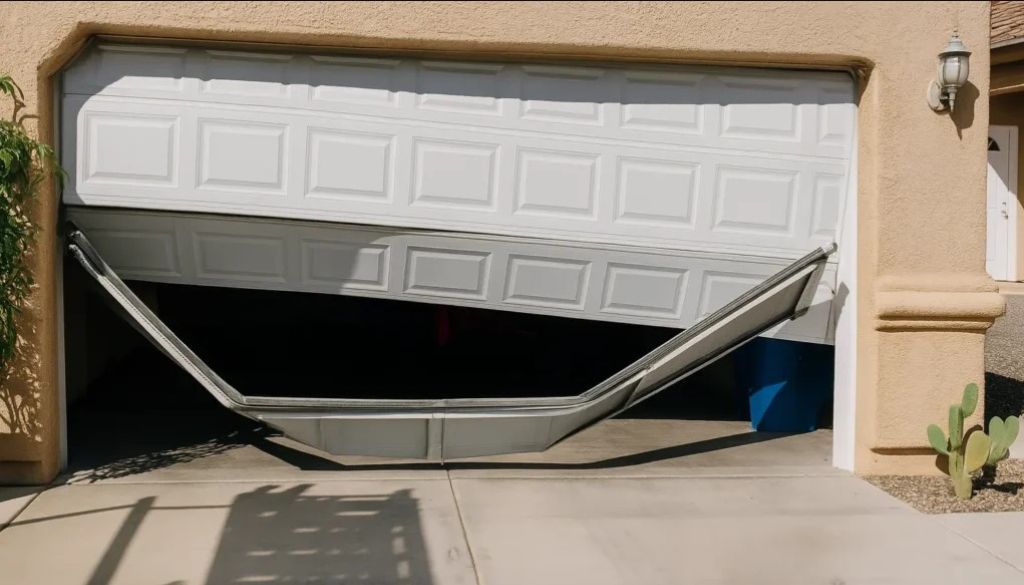
Why Regular Garage Door Servicing is Important
Regular servicing is critical for maintaining your garage door’s safety mechanisms such as emergency release systems and sensors. This preventative care helps avoid costly repairs by detecting small problems before they escalate.
Beyond safety, servicing improves your door’s security features, including remote controls and keypad systems, ensuring only authorised access. It also reduces operational noise by lubricating moving parts and maintaining proper alignment, which keeps the door balanced and running smoothly. Ultimately, scheduled maintenance extends the lifespan of your door and its components, providing peace of mind and reliable daily operation.
Essential Garage Door Maintenance Tips
- Lubrication: Regularly lubricate springs, rollers, hinges, and tracks to reduce friction and wear. Alignment Checks: Inspect the door's alignment to ensure smooth movement along the tracks and prevent strain on the motor. Weather Seal Inspection: Examine and replace worn weather seals to protect against drafts, water ingress, and pests. Tighten Loose Hardware: Check and tighten cables, bolts, and screws to maintain door integrity and balance. Balance Testing: Test torsion and extension springs for appropriate tension to avoid uneven door movement or failure. Safety Sensors and Emergency Release: Verify sensors are clean and aligned properly, and test the emergency release mechanism for effective use during power failures.
How to Inspect Garage Door Components
- Visual Inspection of Springs and Cables: Look for rust, wear, or damage on torsion springs, extension springs, and cables to identify replacements or repairs needed. Rollers and Tracks: Check rollers for smooth rotation and tracks for any dents or obstructions affecting operation. Door Panels and Surface: Inspect for dents, cracks, or warping, especially on wood, aluminium, and insulated doors. Door Openers and Electric Motors: Listen for unusual sounds and verify smooth operation; inspect drive belts and control boards for wear. Remote Controls and Keypad Systems: Test functionality, replace batteries as needed, and check signal responsiveness.
Step-by-Step Garage Door Servicing Guide
Follow this guide to safely service your garage door and maintain peak performance:
- Preparation and Safety Precautions: Disconnect power supply to the garage door opener. Use safety goggles and gloves, and ensure the door is fully closed before starting. Cleaning and Lubricating Moving Parts: Remove dust and debris from tracks, rollers, hinges, and springs. Apply silicone-based lubricant to all metal moving parts. Checking and Adjusting Door Alignment: Inspect the tracks for levelness and adjust if necessary using a level and appropriate tools. Inspecting and Replacing Worn or Damaged Parts: Replace frayed cables, broken springs, or worn rollers promptly to avoid sudden failures. Troubleshooting Common Problems: Identify issues like the door reversing suddenly, making excessive noise, or failing to open completely, and apply fixes such as sensor realignment or motor inspection. When to Call a Professional: For spring replacements, motor repairs, or complex electrical faults, always hire a trained technician due to safety risks.
Garage Door Repairs and Replacement Parts
Common repair scenarios include spring replacement, motor issues, and sensor faults. Torsion springs typically last longer but require professional handling, whereas extension springs are easier to replace but may wear out faster.
Drive belts, control boards, and rollers are other parts frequently replaced during servicing. Always source genuine replacement parts from trusted suppliers to ensure compatibility and durability. Using inferior components can lead to further damage and safety hazards.
Preventive Maintenance for Automatic and Manual Garage Doors
For both automatic and manual doors, a regular maintenance schedule is essential:
- Schedule servicing at least twice a year to keep all components in optimal condition. Maintain remote controls and keypad entry systems by replacing batteries and updating codes to enhance security. Keep photo-eye sensors clean and properly aligned to prevent false reversals or door malfunctions. Test the emergency release mechanism periodically to ensure it functions correctly in case of power outages.
Enhancing Garage Door Security and Functionality
Upgrading your garage door’s security features boosts protection and convenience:
- Install advanced safety sensors and photo eyes for improved obstacle detection and accident prevention. Add keypad systems or smart remote controls compatible with home automation for keyless and secure access. Reduce noise with specialised rollers and quieter motors to enhance neighbourhood friendliness. Secure manual doors against forced entry using reinforced locks and sturdy materials to deter intruders.
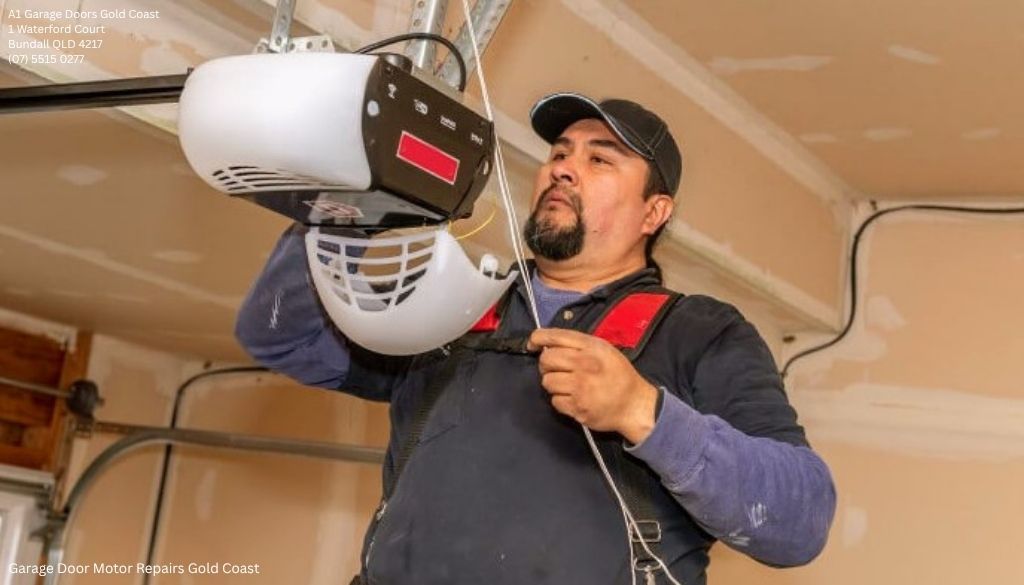
Frequently Asked Questions About Garage Door Maintenance
- How often should I service my garage door? Ideally, service your garage door twice a year or at least annually for preventive care. Can I service my garage door myself safely? Yes, for basic tasks like lubrication, cleaning, and visual inspection, but leave spring replacements and electrical repairs to professionals. What are signs my springs need replacing? Look for rust, gaps, difficulty in lifting the door, or uneven movement indicating spring wear or failure. Why does my garage door make noise? Noises usually stem from dry or worn rollers, hinges, or loose hardware needing lubrication or replacement. How do I know if my sensors are working correctly? Close the door and pass an object through the sensor’s beam; if the door reverses, sensors are functioning properly. When is professional servicing necessary? For spring repairs, motor or opener issues, control board faults, and complex electrical troubleshooting.
Conclusion
Routine garage door servicing and maintenance are crucial for safety, security, and longevity. By understanding your garage door system, conducting regular inspections, applying essential maintenance tips, and recognising when professional help is needed, you can ensure your garage door operates smoothly and reliably for years to come. Don’t wait for problems to arise—schedule timely servicing today and enjoy peace of mind and enhanced functionality every time you enter your garage.
Our Sponsor
A1 Garage Doors Gold Coast
A1 Garage Doors Gold Coast is a Bundall-based garage door specialist serving the southern Gold Coast and surrounding suburbs with installation, repair, maintenance, and emergency garage door services. The company specializes in sectional doors, roller doors, garage door openers, spring and cable replacement, opener motor repair, smart-enabled installations, and 24/7 emergency call-outs across Robina, Burleigh Heads, Surfers Paradise, Nerang, Coomera, and the wider Gold Coast region.
Address:
1 Waterford Court,
Bundall,
QLD
4217,
Australia
Phone: (07) 5515 0277
Business Hours:
- Open 24/7 — Including After-Hours and Emergency Call-Outs
Follow Us: