A garage door is easy to treat as a simple convenience until the weather turns ugly. In calm conditions, most people notice the door only when it sticks, rattles, or refuses to open on a rushed morning. In severe wind and storm conditions, the same door becomes part of the building envelope, and that changes the stakes completely.
That shift matters most in places exposed to severe storms and cyclones. In Queensland, official guidance is very clear that homeowners should prepare before storm season and stay inside until authorities say it is safe to go out. That principle applies directly to the garage. If a garage door fails under wind pressure, it is not just a problem for the door itself. Government guidance warns that failure at the garage can let wind enter the home and increase damage to roofs and walls. Once that internal pressure builds, the cost and severity of damage can rise quickly.
From a maintenance perspective, that means a garage door deserves a more serious standard of care than many households give it. The goal is not only smooth daily operation. The goal is reliability, structural integrity, and a clear plan before bad weather arrives.
The garage door is part of your storm defence
A lot of routine home maintenance is forgiving. If you leave a fence gate hinge squeaking for a few months, little changes. A garage door is different because it spans a wide opening, moves on mechanical parts, and often serves as one of the largest access points in the house.
That width is exactly why wind matters so much. Wide doors present a broad surface to pressure and suction. In ordinary weather, an aging panel, a bent section of track, or a struggling opener may seem like a small annoyance. In storm conditions, those same weaknesses can become failure points.
Queensland guidance specifically points homeowners toward garage doors that comply with AS/NZS 4505 and are correctly rated for wind pressure, or doors with a bracing system that can be installed before a cyclone. That is not fine print. It is a practical acknowledgement that the garage opening needs to hold its shape and resist pressure when the weather is at its worst.
I have seen homeowners put great effort into clearing gutters, trimming branches, and securing outdoor furniture while barely thinking about the garage. Those tasks are worthwhile, but if the largest moving opening on the home is not ready for high wind, the preparation is incomplete.
Maintenance has to cover daily wear and weather exposure
Wind and weather do not affect every component the same way. Some parts take the direct force of the storm. Others are weakened over time by moisture, temperature changes, dust, and ordinary use, then exposed when a storm arrives.
The practical way to think about maintenance is to split it into two layers. The first is operational reliability, meaning the door opens, closes, seals, and locks or braces as intended. The second is storm readiness, meaning the door system can resist wind pressure to the extent it was designed to do so.
Those two layers overlap more than people expect. A door that is out of alignment in fair weather is not likely to become more stable in a severe storm. Garage door tracks that are bent or loose do not suddenly correct themselves when the wind picks up. A door that drags and twists on the way down may not seat properly at the opening. Even garage door openers, which many people think of only as convenience devices, matter because they influence whether the door can be secured properly before a storm and whether the household can safely manage access in the lead-up.
What to look at before storm season
The best time to deal with a weather-related garage issue is before the forecast becomes urgent. Once severe weather is approaching, options narrow. Contractors get booked, hardware sells out, and safe working time disappears.
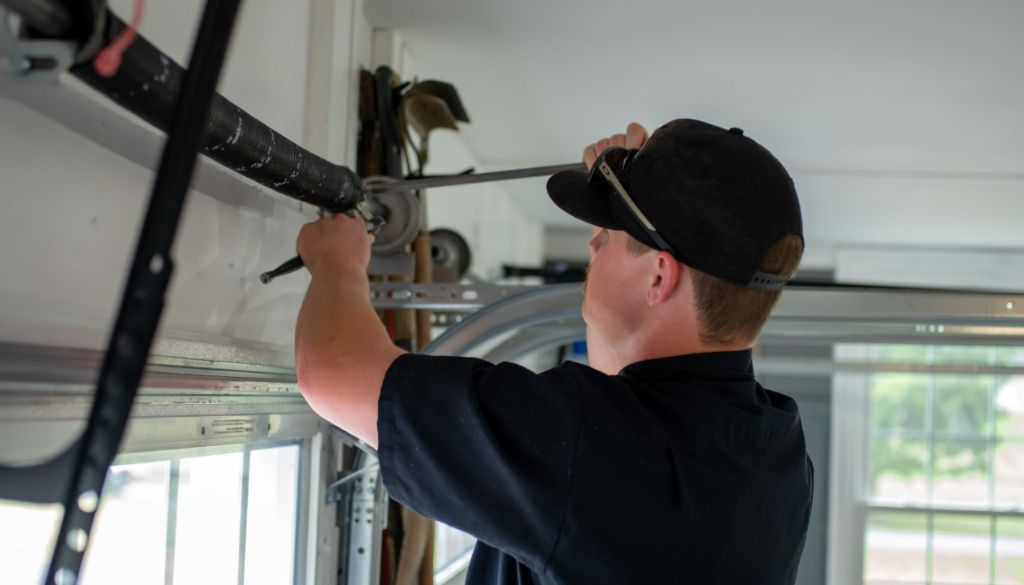
A simple pre-season review should focus on the whole opening, not just the moving door. In many homes, the frame, fixings, and surrounding condition matter as much as the door leaf itself. Queensland housing guidance goes so far as to identify replacement of existing garage doors and frames with wind-rated versions as part of resilience work. It also notes that non-compliant garage doors can be a cost-effective replacement target when improving cyclone resilience.
That is a useful point because maintenance has limits. Some doors can be adjusted, braced, or serviced back into reliable shape. Others are the wrong product for the exposure, or too old to justify piecemeal work. Knowing when to shift from maintenance to garage door replacement is part of good judgment.
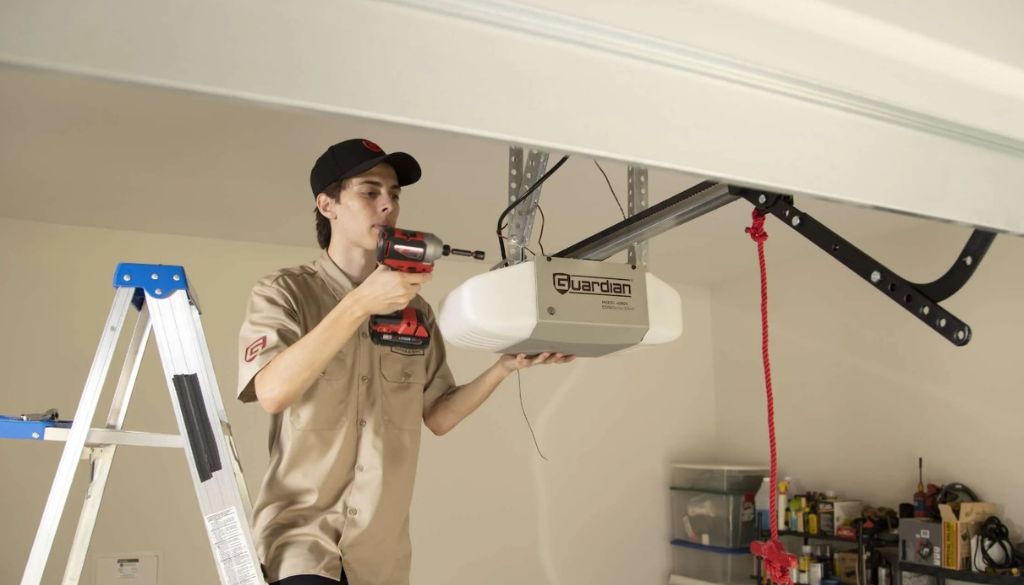
Here is a practical pre-season checklist that stays within what homeowners can reasonably assess without taking unsafe risks:
- Check whether the existing door is wind-rated or supported by an approved bracing approach for severe weather. Look for obvious distortion, corrosion, looseness, or damage in the door, frame, and garage door tracks. Confirm that the door closes fully and sits properly in the opening without visible gaps or uneven contact. Test garage door openers and remotes early, while there is still time to arrange service if something is wrong. Make a plan for vehicle storage, access, and storm preparation well before warnings are issued.
That short list does not replace professional inspection, especially in high-risk areas, but it gives homeowners a realistic starting point.
The tricky truth about garage door springs
Garage door springs tend to be overlooked until they break, largely because they are not a visible part of the door’s face. Yet they sit at the heart of balanced movement. When garage door springs weaken or fail, the door may no longer move smoothly or sit where it should. Even a non-expert can often tell something is wrong when the door becomes unusually heavy, jerky, or noisy.
What matters in a wind and weather conversation is not only convenience. A poorly balanced door may be harder to secure in the lead-up to a storm. It may also place extra stress on the opener and other hardware. That kind of strain can show up at exactly the wrong time, when the household is trying to finish preparations quickly.
There is also a safety point that should not be softened. Springs are not a casual DIY item. The verified guidance available here supports working safely and using a qualified contractor for vulnerable parts of the home. In practice, garage door springs sit squarely in that category. If there is any doubt about condition, adjustment, or replacement, professional help is the sensible path.
Garage door tracks do more than guide the door
People often think of garage door tracks as passive rails. In reality, they influence alignment, travel, and how evenly the door moves through the opening. If a track is bent, loose, or visibly out of line, the problem is not cosmetic.
In day-to-day use, poor track condition may show up as rubbing, sticking, or a door that closes unevenly. In weather terms, the concern is whether the door can seat correctly and maintain the position it was designed to hold. A door that does not travel true is a door with reduced reliability.
This is where experienced judgment matters. A minor issue spotted early may be straightforward to address. Left alone, the same issue can cascade into uneven wear, extra strain on the opener, and a door that becomes temperamental just when storm preparation starts. Homeowners are usually better served by dealing with track issues in calm weather than hoping they remain merely annoying.
Garage door openers are not just convenience hardware
A modern garage often depends on electric access, which means garage door openers become part of emergency planning whether people think of them that way or not. Queensland storm preparation advice includes unplugging electrical items, and that is relevant to openers and their accessories. It is also sensible to think ahead about remotes, power access, and how the household will manage the garage if electrical equipment needs to be disconnected before severe weather.
The main maintenance point here is reliability under normal conditions. If the opener is inconsistent, if remotes work only intermittently, or if the door hesitates, those are not issues to ignore until the weather worsens. They are signs to resolve early.
There is a secondary point that homeowners often miss. An opener is only one part of the system. It cannot compensate for a door that is not suitable for the wind exposure, and it cannot turn a weakened opening into a storm-rated one. A strong motor does not equal a wind-ready door. The structure and rating of the door itself come first.
When garage door replacement is the responsible choice
Not every garage door should be nursed along indefinitely. Some older installations may function well enough on mild days while still falling short on resilience. Queensland guidance directly supports replacing existing garage doors and frames with wind-rated versions as part of household resilience work, especially where the existing setup is non-compliant.
That changes how homeowners should think about garage door replacement. It is not only an aesthetic upgrade or a response to breakdown. In exposed areas, it can be a deliberate risk-reduction measure.
The hard part is that replacement decisions involve trade-offs. A homeowner may be deciding between servicing a worn door for short-term use or investing in a wind-rated assembly that better matches local conditions. Budget matters. Timing matters. So does the rest of the property. If the surrounding frame is weak, replacing only the panel may not address the real vulnerability.
A useful question is this: are you restoring reliable performance, or are you trying to make an unsuitable door do a job it was never meant to do? Once that question is asked honestly, the right path often becomes clearer.
Storm preparation starts outside the opening too
Garage door maintenance is not only about hinges, tracks, springs, and motors. Weather readiness also depends on what is happening around the garage. Queensland agencies advise people to secure loose outdoor items and park vehicles under shelter if possible before severe weather. Both points connect directly to the garage.
A sheltered vehicle is better protected, of course, but the bigger maintenance lesson is about access and obstruction. If the approach to the garage is cluttered, if equipment or outdoor items can strike the door in high wind, or if last-minute vehicle movements become chaotic, the risk to the door rises. The best-prepared households make the garage part of the wider storm plan, not an afterthought.
This is also where a simple, rehearsed routine helps. When severe weather is forecast, people make mistakes under time pressure. They forget remotes, leave objects near the opening, or realise too late that the garage is full of items that should have been secured days earlier.
A calm, practical storm routine might look like this:
Move vehicles under shelter early, before weather deteriorates. Clear loose items from around the garage and secure anything that could become airborne. Close and secure the garage door according to the door’s design, including any bracing system if applicable. Unplug relevant electrical items when appropriate as part of broader household storm preparation. Stay inside and do not go out again until authorities say conditions are safe.That sequence is not complicated, which is exactly why it works. The simpler the plan, the more likely it will be followed.
Attached garages, draughts, and the weather you live with every day
Not all weather-related maintenance is about severe storms. In attached garages, the door also affects comfort, energy loss, and moisture movement. Australian energy-efficiency guidance notes that draught stoppers at the base of doors can help reduce heat loss. That may sound like a small detail next to cyclone readiness, but it reflects the same broader principle: the garage door opening should be sealed and functioning as intended.
A bottom seal that no longer contacts properly can allow draughts, dust, and water to work their way in. In a mild climate, the issue may be mostly comfort and efficiency. In rough weather, poor sealing can add to the mess inside the garage and expose stored items to moisture or debris.
This is where regular maintenance pays off in ordinary weeks, not just disaster season. A door that closes evenly, seals properly, and fits the opening well is more comfortable to live with and easier to trust when stronger weather arrives.
Safety standards and why shortcuts age badly
Australian product-safety guidance makes a simple point: products subject to mandatory safety standards must meet specific safety criteria before sale. For homeowners, the practical takeaway is that garage door components and accessories should be approached with the same seriousness as other safety-related household products.
That does not mean every household needs to become expert in standards documentation. It does mean being cautious about improvised fixes, low-quality accessories, and repairs that are driven only by price. With garage systems, shortcuts often create hidden weaknesses. The door may appear to function for a while, but performance under stress is the real test.
That is especially important in weather-exposed regions. The right product, correctly installed, gives you a far better starting point than a patchwork of parts that were never intended to work together under wind pressure.
The role of qualified help
There is a practical limit to what a homeowner should do alone. Queensland resilience guidance supports using a qualified contractor when securing vulnerable parts of the home, and that aligns with what experienced tradespeople see every season. If the work affects structural performance, wind resistance, bracing, or high-tension hardware, the cost of getting it wrong is A1 Garage Doors Gold Coast Pty Ltd too high.
Homeowner involvement still matters. You do not need to rebuild the opening yourself to improve outcomes. You can document symptoms, ask whether the current door is wind-rated, confirm whether the garage door replacement options meet the relevant wind-pressure needs, and discuss whether the frame also needs attention.
The best service calls usually come from homeowners who can describe the actual issue. Does the door close unevenly? Has it become harder to operate? Is there visible movement at the frame? Has anyone confirmed the wind rating? Those are useful questions. They lead to better advice than a vague report that the door is "a bit off."
A sensible standard for ongoing care
Good garage door maintenance in a weather-exposed setting is less about constant tinkering and more about clear priorities. First, the door should be appropriate for the conditions, especially where severe storms or cyclones are part of local reality. Second, it should operate cleanly and close properly. Third, any weakness in the system, from garage door tracks to garage door springs to the opener itself, should be dealt with before the season turns.
The most expensive garage door problem is not always the one that breaks first. Often it is the one that looked manageable in calm weather and failed when the house needed it most. That is why a weather-focused approach is worth taking seriously. A garage door is a moving part of the home, but during severe wind it also becomes a protective barrier. Maintenance should reflect both roles.
If your current setup is sound, regular review and timely servicing may be enough. If the door is aging, non-compliant, or poorly matched to local risk, garage door replacement may be the wiser investment. Either way, the principle stays the same: prepare early, address weaknesses before storm season, and treat the garage opening as one of the home’s critical weather lines, not just the place where the car goes at night.