A garage door can look only slightly off and still be heading toward a serious failure. That is what makes alignment problems easy to underestimate. The door may still open, the motor may still respond, and the remote may still work from the driveway. From the outside, it can seem like a minor nuisance. In practice, small alignment issues tend to spread stress across the whole system, affecting movement, balance, hardware wear, and day-to-day safety.
People usually start paying attention when the door becomes noisy, sticks on the way down, or leaves a visible gap at one side. By then, the problem has often been building for a while. In service work, that pattern is common. A homeowner notices that the garage door is not closing properly, gives it a little more force with the wall button or the remote, and keeps going. The system compensates until it cannot. Once that happens, the repair is often bigger than it needed to be.
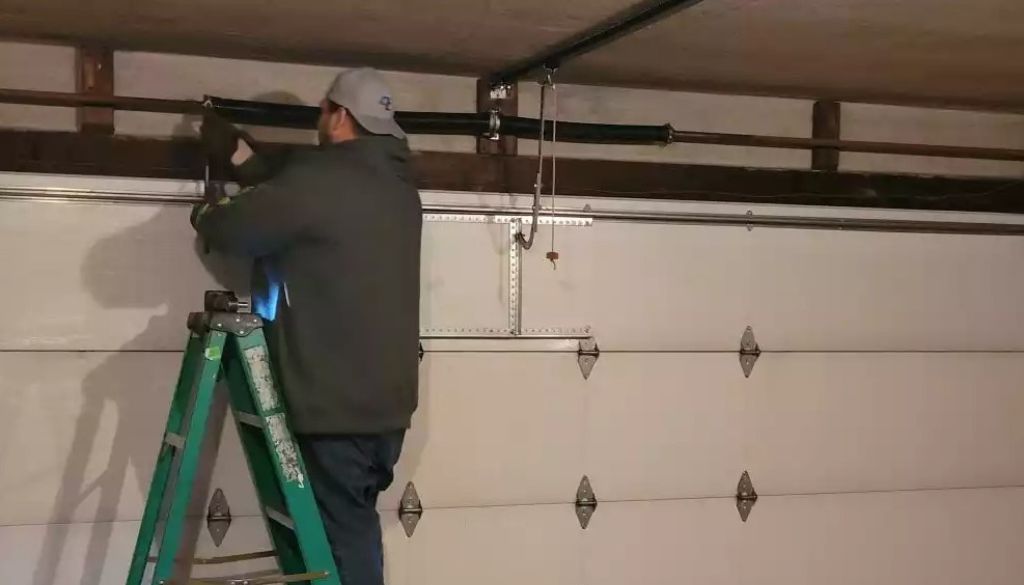
Alignment is not just about whether the door looks straight. It is about whether the moving parts stay in the positions they were designed to hold under load. When that geometry changes, even slightly, rollers do not travel cleanly, sections do not sit evenly, and the opener may strain more than it should. If you are trying to fix garage door issues early, alignment is one of the first places worth looking.
What garage door alignment really means
When people talk about garage door alignment, they are often describing several related conditions at once. The door might sit unevenly in the opening. It might travel crooked in the tracks. It might bind at one point and move freely at another. A sectional door may also show poor line-up between its panels when under motion, even if it appears acceptable while closed.
In practical terms, alignment means the door is moving through its path without twisting, dragging, or shifting unevenly from side to side. The hardware supports that movement. Tracks guide it. Springs help balance the weight. The opener provides controlled movement on automated systems, but it should not be the part forcing a misaligned door to behave.
That distinction matters. A lot of people assume a motor problem when the door acts up, and sometimes they start searching for garage door opener repair right away. There are cases where the opener truly is the fault, especially if it is failing to control the door consistently. But an opener can also look like the problem when the real issue is mechanical alignment. If the door is out of line, the operator and motor may simply be reacting to stress elsewhere in the system.
The first signs owners tend to overlook
Alignment problems rarely announce themselves with one dramatic event. They usually arrive as small changes in feel and sound. A door that once moved smoothly now hesitates for a second. One side reaches the floor before the other. The seal at the bottom looks uneven. The motor sounds like it is working harder than usual.
Those clues matter because garage doors are repetitive machines. They open and close over and over, and small defects get reinforced with every cycle. In coastal and humid areas, that wear can be more noticeable over time because local conditions can affect hardware and increase maintenance needs. Heat, humidity, and salt air are all known to be hard on metal components and moving assemblies. That does not mean every crooked movement is caused by the climate, but it does mean routine drift and wear deserve attention sooner, not later.
A homeowner once described an issue as “just a fussy close.” That wording was revealing. The door did close, but not cleanly. It would touch down, rise slightly, then settle again. At a glance, it seemed like the opener was being temperamental. On closer inspection, the better explanation was that the door was not meeting the opening evenly. What looked like electronics was really a mechanical problem showing up at the end of travel.
Common warning signs worth taking seriously
- The bottom edge does not sit level when the door is closed. One side appears to move ahead of the other during opening or closing. The door rubs, binds, or pauses at the same point in travel. The opener sounds strained, even though the motor still operates. The garage door is not closing properly and leaves uneven gaps.
None of those signs guarantee a single specific fault. They do tell you the system is no longer moving as a balanced whole.
Why misalignment puts extra stress on everything else
A garage door system works because several parts share the load. The springs support weight. The tracks guide motion. The rollers follow a controlled path. The opener moves the door, but in a balanced setup it should not be dragging dead weight or fighting side pressure.
Once alignment shifts, those loads stop distributing properly. Instead of rolling freely, a door can begin pressing into one side of its path. That side absorbs more wear. Fasteners can loosen gradually. The opener may cycle longer or work harder. Even if the motor still functions, extra strain is rarely free. It tends to show up later as premature wear or more frequent service needs.
This is also where people can misread symptoms. If the door starts reversing before fully closing, the first instinct may be to blame the automation. Sometimes that is fair. Sometimes garage door opener repair is exactly what is needed. But if the door is descending unevenly or binding as it approaches the floor, the opener may be responding to resistance rather than causing it. In other words, poor alignment can create what looks like an opener issue.
That distinction is important for anyone trying to diagnose the problem responsibly. Replacing a remote, resetting controls, or adjusting settings will not correct a door that is physically tracking out of line.
The role of springs, and why this is not a casual DIY area
Any conversation about alignment eventually touches springs, because balance and alignment are closely related. Springs are a standard repair item in garage door service, and they wear over time. When a spring breaks or weakens, the door can lose balance, which may contribute to uneven travel or create conditions that look like alignment trouble.
This is where caution needs to override confidence. Garage door springs are under high tension and are dangerous to adjust or repair without proper training and tools. That is not trade scare talk. It is a plain safety reality. A homeowner can often observe symptoms safely from a distance, but spring work is not a sensible improvisation job.
There is another practical point that often surprises people. When one spring breaks, both springs may need replacement because they usually wear at a similar rate. Mismatched springs can create balance problems. That matters directly to alignment. Even if one side seems like the obvious problem, replacing only one worn spring may leave the door unevenly supported.
The broader lesson is simple. If the door looks crooked and there is any sign that spring condition could be part of the cause, that is professional territory.
Why the opener gets blamed so often
Modern garage doors hide a lot of mechanical trouble behind automation. You press a button, the motor engages, and the whole system appears to be motor-driven. That leads many owners to frame any problem as an opener problem. Sometimes they are right. Motor replacement, automation upgrades, and related service work are common offerings, which reflects how often those components do need attention.
Still, the opener often gets blamed for symptoms it did not create. If the door is dragging in the tracks or dropping unevenly, the motor may still run, but it is now compensating for a fix garage door misaligned load. Over time, that relationship can become expensive. What began as garage door alignment drift can end with legitimate garage door opener repair because the operator was forced to work under poor conditions.
A good diagnostic mindset starts with a simple question: is the opener failing to move a properly balanced door, or is a struggling door making the opener look bad? The answer changes the repair path.
That does not mean every owner should start dismantling anything. It means observations matter. When did the issue begin? Does it happen at the same point every cycle? Is the door visibly uneven while moving? Did the trouble appear after a change in noise or effort? Those details help separate alignment, balance, and operator issues without guessing.
Environmental wear can nudge a door out of tolerance
In coastal regions, conditions can be especially hard on garage door hardware. Salt air, humidity, and heat are all known to affect components and increase maintenance needs. Over months and years, that kind of exposure can show up as corrosion, stiffness, or gradual deterioration in moving parts and fixings.
That matters because alignment is not only disturbed by impact or a dramatic break. It can also drift. A door that was once set correctly may start showing small inconsistencies after enough wear. Tracks and supports do not have to fail completely for performance to change. Even moderate hardware deterioration can alter how smoothly the door runs.
This kind of wear often catches owners off guard because it feels gradual rather than mechanical. Nothing “happened,” yet the system no longer behaves the same way. That is one reason annual servicing is a sensible benchmark. At least one garage door business recommends professional servicing every 12 months to help prevent breakdowns and extend the life of the door and motor. That schedule makes sense, especially where climate adds stress. Regular inspection gives alignment issues a chance to be spotted before they turn into binding, imbalance, or a full operational failure.
When a closing problem is actually an alignment problem
A lot of people search for help because the garage door is not closing properly. That phrase covers a wide range of symptoms. The door may stop short of the floor. It may sit crooked after closing. It may reverse. It may close enough to seem acceptable, yet leave uneven daylight at the edges.
Alignment deserves a close look in all of those scenarios. If one side reaches the ground first, the closing edge is no longer meeting the opening evenly. If the door has to twist to finish its travel, the system is under uneven load. If the opener hesitates at the bottom of the cycle, it may be meeting resistance from a door that is not tracking cleanly.
A practical example is the door that closes “most of the way” but leaves a small wedge-shaped gap at one lower corner. Owners sometimes assume the floor is uneven, and occasionally that is true. But if that gap is new, and especially if it is accompanied by rough movement, noise, or visible tilt, alignment is a more likely concern. The point is not to leap to one diagnosis. It is to treat closing issues as mechanical clues rather than isolated annoyances.
What you can check safely before making a service call
There is a sensible middle ground between ignoring the problem and taking apart the system. You can observe a lot without touching high-tension parts or making unsafe adjustments. The goal is not to carry out a full repair. The goal is to gather useful information and avoid making things worse.
A safe owner checklist
- Watch one full open-and-close cycle from inside the garage and note where the door hesitates or tilts. Look for uneven gaps when the door is fully closed, especially at the bottom corners and side edges. Listen for rubbing, scraping, or a change in motor sound during the same point in travel. Stop using the door if movement becomes jerky, severely uneven, or obviously strained. Call for service promptly if you suspect spring trouble or if the door will not travel squarely.
That kind of observation helps a technician narrow the fault quickly. It also helps an owner describe the problem accurately. “It is noisy” is less useful than “the left side drops first in the last quarter of travel.” Specificity saves time.
What should not happen is force. If the door is resisting, repeated cycling through the opener is usually a bad idea. A misaligned door rarely straightens itself under extra use.
Why delayed repairs tend to spread the damage
Garage doors are integrated systems. One fault rarely stays isolated for long. A door that tracks out of line can increase wear on rollers and hardware. A balance issue can raise the workload on the motor. A strained opener can then become a separate repair item. This is why an owner who delays action often ends up paying for more than the original issue.
There is also the question of downtime. A door that still “mostly works” can become unusable without much warning once a stressed component reaches its limit. If the garage is used multiple times a day, that inconvenience becomes immediate. For households that rely on the garage as the main entry point, even a one-day breakdown can be disruptive.
The better approach is to act when the symptoms are small and specific. Slight tilt. Repeated hesitation. Uneven closing. Those are repairable moments. They are much easier to deal with before the system starts damaging itself through continued operation.
Service often involves more than one correction
People sometimes expect a single defective part to explain everything. Real repair work is not always that neat. Alignment issues can coexist with opener wear, old hardware, or spring fatigue. That is one reason garage door service businesses commonly offer a broad mix of repairs, servicing, installations, and replacement of components such as motors, remotes, and springs. The category is broad because actual faults are often interconnected.
If a door has been running out of line for a while, the final repair may involve bringing the door back into proper travel and addressing a component that was stressed in the process. Likewise, if the door has poor balance because of spring wear, restoring alignment may depend on correcting that balance first. This is less dramatic than it sounds. It is simply how mechanical systems behave under repeated use.
The value of experienced judgment shows up here. A technician is not just looking for what failed first. They are also looking for what else has been affected, what can be safely adjusted, and whether one repair without the other would leave the door unreliable.
The difference between nuisance and risk
Not every alignment problem is an emergency, but some definitely cross that line. A door that is only slightly uneven while still operating smoothly may allow for a scheduled service appointment. garage door resource A door that is visibly crooked, shuddering, or linked to suspected spring trouble is a different matter.
The risk is not only property damage. Springs are dangerous to work on, and a door that has lost balance can move unpredictably. Even without touching anything, an owner should take severely uneven movement seriously. If the system looks like it is fighting itself, treating it as a minor annoyance is the wrong call.
That is where judgment matters more than optimism. Many household repairs tolerate delay. Garage door alignment is not always one of them. The door is heavy, repetitive, and dependent on parts that work under stress. Once the movement stops looking controlled, caution is the smart position.
Keeping future alignment trouble from sneaking up on you
The simplest preventive habit is attention. Most owners are near the door often enough to notice changes, but only if they are listening and looking. A cleaner close, a quieter cycle, and a level resting position are normal. Anything drifting away from that deserves a second look.
Beyond that, routine professional servicing remains one of the most practical ways to limit surprises. An annual service interval is a sensible guide, particularly in areas where humidity, salt air, and heat add wear. That kind of schedule is not about chasing perfection. It is about catching small mechanical drift before it becomes a breakdown.
If you have been thinking about whether to fix garage door issues now or wait until the next obvious failure, alignment problems are not good candidates for postponement. They rarely stay cheap, simple, or isolated when ignored. And if the symptoms have you wondering whether you need garage door opener repair, it is worth remembering that the opener may only be the messenger. A door that does not run square will usually find a way to tell you. The smart move is to listen early.