A garage door rarely falls out of alignment all at once. More often, it drifts. The movement starts small enough that people work around it for weeks or months. The door shudders on the way down, leaves a slight gap at one corner, or reverses for no obvious reason. At that stage, many homeowners assume the opener is acting up. Sometimes that is true, and sometimes a garage door opener repair is part of the answer. Just as often, though, the opener is reacting to a deeper mechanical problem: worn components that no longer guide, balance, or support the door the way they should.
That distinction matters. Alignment is not a cosmetic issue. When the moving parts wear unevenly, the door no longer tracks cleanly. The motor works harder, the closing cycle becomes unreliable, and the entire system starts to behave like a machine under strain. The door might still open and close, but each cycle adds a little more stress.
In areas such as the Gold Coast, where heat, humidity, and salt air can affect hardware, that wear can show up sooner than people expect. Hinges, springs, and motor-related parts do not have to fail completely to create trouble. A component only needs to lose enough strength, shape, or consistency to pull the door away from its proper path.
What alignment actually means on a garage door
When technicians talk about garage door alignment, they are usually talking about how the door sits and travels within its intended path. A properly aligned door moves evenly, stays balanced through its travel, and meets the floor and frame without twisting or binding. The door does not scrape, rack to one side, or hesitate because one section is doing more work than another.
That sounds simple, but a garage door is a linked system. Springs help counterbalance the weight. Rollers and hinges allow the sections to move. Tracks guide the path. The opener supplies controlled force on automatic doors, but it is not meant to drag a heavy, misaligned door into place by brute strength. If one part wears down, the strain often spreads. That is why a door that appears to have a motor problem may actually have a balance or hardware issue behind it.
A common homeowner description is, “My garage door not closing properly.” That complaint can mean several different things. The door may stop short, reverse before touching the floor, close harder on one side, or leave an uneven gap. Those are symptoms, not diagnoses. The underlying cause often comes back to wear.
Why worn parts create crooked movement
Wear changes geometry. A hinge with too much play lets a panel shift more than it should. A tired spring no longer supports the weight consistently. A motor or opener component that has been compensating for resistance may begin to struggle. Once the forces on the door garage door resource stop being even, the door starts traveling unevenly.
That uneven travel can be subtle at first. One side may lag slightly. The bottom edge may no longer sit level. The opener may sound louder because it is working against drag. People often notice the noise before they notice the alignment problem.
The frustrating part is that the door may still be usable. It opens enough to get the car out. It closes if someone holds the wall button a little longer. It only sticks on humid days. Those partial failures tempt people to delay service, but partial failures are exactly when repair is most useful. Once hardware begins to wear out of sync, the system tends to accelerate toward a bigger problem.
Springs are often at the center of the issue
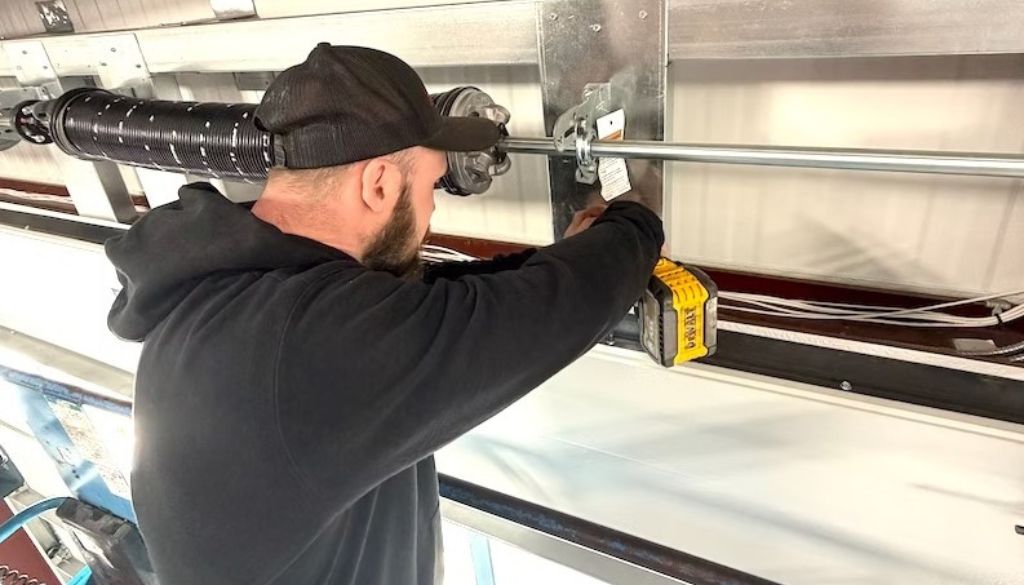
Of all the components tied to alignment, springs deserve the most respect. They are standard repair items, and they carry real risk. Industry safety guidance is clear that garage door springs are under high tension and are dangerous to adjust or repair without the right training and tools. This is not a routine do it yourself job.
A worn or broken spring affects more than lifting power. It changes how the door balances. If the balance shifts, the door can pull unevenly during travel, and that can look like an alignment problem because, in practice, it becomes one. One side may appear to drop faster, or the opener may strain during closing because it is no longer working with a properly counterbalanced load.
There is another practical point that often gets overlooked. When one spring breaks, both may need replacement because they usually wear at a similar rate. Installing one new spring beside one tired spring can leave the door unevenly balanced, which can continue or even worsen alignment issues. That is a repair decision based on how these systems age in the real world, not on a desire to replace parts unnecessarily.
The opener is sometimes a victim, not the cause
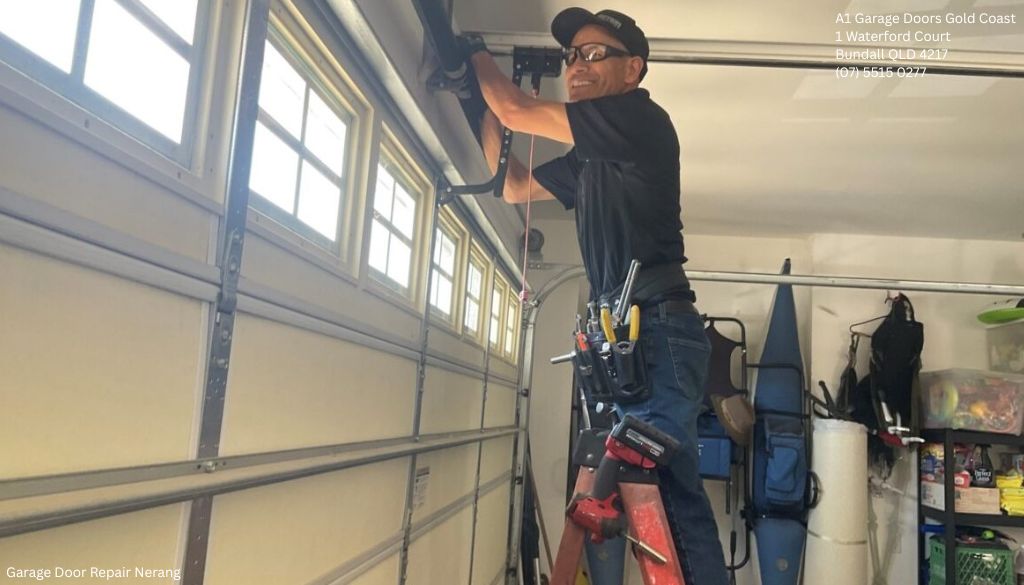
People usually notice garage door problems through the opener because that is the part they interact with every day. The remote stops working consistently, the motor sounds strained, or the door starts reversing. Since motor replacement and automation services are common parts of garage door work in places like the Gold Coast, it is reasonable for homeowners to suspect the opener first.
Still, an opener can only manage the load it is given. If the door is misaligned because of worn springs or other tired hardware, the opener ends up compensating. Over time, that extra strain can lead to the need for garage door opener repair, but replacing or adjusting the opener alone may not solve the original problem. In fact, it can mask it temporarily.
I have seen doors where the owner focused on the remote, then the wall switch, then the motor settings, all because the door refused to close cleanly. The root issue turned out to be mechanical wear that had changed the door’s balance. Once that was addressed, the “opener problem” looked much less mysterious.
That is the broader lesson. When a powered garage door starts acting strangely, think of the opener as one piece of a system. If the system is out of alignment, the opener’s behavior often reflects that.
Signs that worn components may be behind the problem
Some warning signs point more strongly toward wear-related alignment trouble than toward an isolated electrical fault.
- The door closes unevenly or leaves a visible gap at one side. The opener sounds like it is working harder than it used to. The door shudders, jerks, or hesitates during travel. The door reverses or stops without a clear obstacle in the way. One recent repair was followed by a new problem elsewhere in the system.
None of these signs proves a single cause on its own. What they do suggest is that the door should be evaluated as a complete mechanism rather than treated as a simple remote or motor issue.
Coastal conditions make maintenance more important
Local environment matters. On the Gold Coast, service providers specifically note that salt air, humidity, and heat can affect garage door hardware and increase maintenance needs. That does not mean every door near the coast will fail early, but it does mean wear can be more aggressive than many owners assume.
Salt air can be hard on metal components. Humidity can add to sticking or inconsistent movement. Heat can amplify the stress on materials and motors over long periods. None of that is dramatic on a single day. The effect shows up over time, especially on doors that get used often or sit exposed to weather shifts.
This is one reason routine service is more than a box-ticking exercise. A door can appear fine to the casual eye while its hardware begins to show the kind of wear that eventually affects alignment. A service interval of around every 12 months is commonly recommended by at least one local provider to help prevent breakdowns and extend the life of the door and motor. That advice makes practical sense, especially where the environment adds extra wear.
Why “just adjust it” is often the wrong approach
When a garage door starts sitting crooked, many people look for a quick adjustment. That instinct is understandable. If a door is only slightly off, it seems like a minor tweak should put it back. The problem is that alignment trouble caused by worn components is rarely fixed for long by adjustment alone.
An adjustment changes position. It does not restore strength, tension, or consistent movement to parts that are already worn. If the spring is tired, the hinge is loose, or the opener has been compensating for drag, a small adjustment may improve the symptoms for a short time while the underlying wear continues. Then the problem returns, often with more force behind it.
This is where good service judgment matters. The goal is not to make the door appear straight for a week. The goal is to identify what has changed in the system and correct that cause. Sometimes the answer is straightforward, such as replacing worn springs or addressing opener-related wear after a mechanical issue has already strained the motor. Sometimes the answer is a combination of repairs because one failure has pushed load into adjacent parts.
What a proper service visit should focus on
A useful inspection does not stop at the first obvious symptom. If the door is out of line, the technician needs to consider how the system is balancing and moving as a whole.
- The door’s balance and how evenly it travels Condition of springs and whether replacement should be paired Wear affecting the opener or motor after mechanical strain Whether coastal exposure may have accelerated hardware wear The difference between a short-term adjustment and a lasting repair
That kind of approach helps prevent the common cycle where one issue is fixed, the door works briefly, and another problem appears because the root cause was never fully addressed.
When the door will not close properly
A garage door not closing properly is one of the most common complaints because it disrupts daily life immediately. People notice security concerns, weather exposure, and the inconvenience of a door that needs coaxing. Yet “not closing properly” can describe a lot of mechanical realities.
Sometimes the door reaches the ground unevenly. Sometimes it reverses near the bottom because the opener senses resistance. Sometimes it stops early and leaves a gap. In each of these cases, worn parts can be the hidden reason. A misbalanced door may load the closing cycle unevenly. A worn spring may leave the opener doing more than it should. A system affected by local corrosion or heat-related wear may no longer move smoothly enough to complete travel.
This is where diagnosis matters more than the symptom label. If you only chase the closing problem, you risk treating the output instead of the cause. If you evaluate alignment, balance, wear, and opener performance together, the repair path becomes more reliable.
Repair versus replacement, and where the line usually sits
Not every alignment issue calls for a major overhaul. Garage door service commonly includes repairs, servicing, installations, and replacement of individual components such as motors, remotes, and springs. That range is important because it reflects how doors actually fail. Often, a targeted component replacement restores proper function without the need for a full door replacement.
The key is knowing which component has crossed from worn to unreliable. Springs are a common example. Motors are another, especially if they have spent too long hauling a door that is no longer moving correctly. Automation upgrades for existing doors are also available through local providers, which can make sense when a motor is no https://goldcoastgaragedoorrepair.com.au/southport-qld/ longer performing well or when an older setup no longer suits the door.
The trade-off is straightforward. Replacing too little can leave the system unstable. Replacing too much wastes money and may not address the true issue if diagnosis is poor. The best repair decisions are usually the least dramatic ones: fix what is worn, correct the balance, verify smooth travel, and make sure the opener is not being asked to compensate for a mechanical fault.
What homeowners can do safely
There is a difference between observation and repair. Homeowners can watch how the door travels, note whether it sits level, listen for changes in sound, and keep track of when problems happen. Those details help a technician understand whether the issue is getting worse gradually or appeared suddenly after a clear event.
What homeowners should not do is attempt spring work or force the system through repeated cycles when something is clearly wrong. Springs are dangerous to handle without training and proper tools. Repeatedly running a struggling opener can also add wear if the door is already out of alignment.
If you are trying to fix garage door behavior, the safest first step is usually to stop using it once movement becomes erratic, especially if the door is dragging, reversing, or closing crookedly. That pause can prevent a repairable problem from turning into a more expensive one.
Small service habits prevent larger alignment failures
Most alignment problems linked to worn components develop over time, which means preventive service has a real role. A yearly service interval, as recommended by at least one Gold Coast provider, is a sensible benchmark. It gives a technician a chance to spot wear before it changes the way the door tracks or closes.
This kind of service is not only about avoiding breakdowns. It is about preserving the relationship between the door and the motor. A well-balanced door places less strain on automation. A door with worn parts forces the motor to make up the difference, and motors are not designed to be the cure for failing mechanical balance.
That matters even more in coastal conditions. Salt air, humidity, and heat do not wait for a warranty period to expire before they start affecting hardware. Regular servicing is often what separates a door that runs steadily from one that develops a string of minor issues that eventually become a major inconvenience.
The practical bottom line
If a garage door starts sitting unevenly, moving roughly, or refusing to close cleanly, it is worth thinking beyond the obvious symptom. Alignment problems are often the visible result of wear somewhere else in the system. Springs, in particular, can shift the entire balance of the door, and when they wear or break, the effects ripple outward. Opener problems can be real, but they are frequently linked to the extra strain created by a door that is no longer moving as it should.
A smart repair approach starts with the whole mechanism, not just the loudest symptom. That may mean garage door opener repair, spring replacement, motor replacement, or a more general service visit. What matters is matching the repair to the actual wear. If the door is out of alignment because the supporting components have aged, the lasting fix is to restore the system, not just nudge the door back into place.
That is the difference between a temporary workaround and a proper repair. When worn components are the real cause, alignment only returns when the parts doing the work are able to do it correctly again.